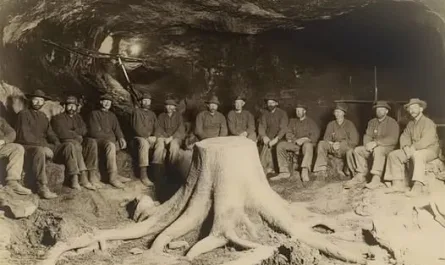
A dark little legend from the Loire Valley
They say it happened somewhere along the looping silver ribbon of the Loire, in one of those small stone towns where the river keeps secrets better than people do. No one agrees on the exact village (some swear Montsoreau, others Loches, a few whisper Chinon), but every old woman along the valley knows the story by heart.
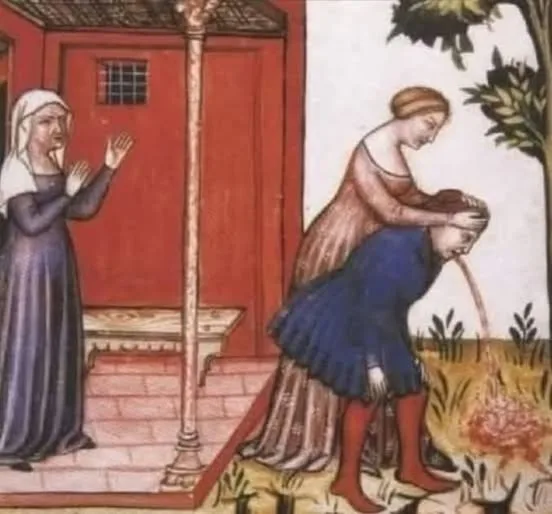
It began, the tale goes, in an age when husbands were prone to wandering. A pretty serving girl at the inn, a lonely widow in the next parish, the bright laughter of a merchant’s daughter passing through on market day; any of these could pull a man off course like a fishhook in the lip. The wives grew tired of prayers and tears. So they turned to something older than prayer.
In the cemetery behind the church grew a pale blue flower no priest had ever bothered to name. It sprouted only on the graves of women who had died betrayed. The village herbalists (quiet women who kept cats and never married) discovered that the crushed seeds, slipped into morning coffee or a bowl of porridge, did no harm at all… so long as the man returned home before sunset.
If he did not, the flower woke up.
First came a pressure behind the eyes. Then a sour taste, as though he had drunk vinegar disguised as wine. Colors dulled. Laughter from his friends sounded like breaking glass. Each step that took him farther from his own threshold felt heavier, colder, until strong men staggered in the lane clutching their chests, certain they were dying.
They always limped home in the end. And there, waiting by the hearth, was the wife with a small cup of honeyed red wine (or sometimes just a kiss pressed long and slow to the forehead). Ten minutes later the pain vanished as quickly as it had come. The man knelt, trembling with gratitude, swearing he had never felt truly alive anywhere but in her arms.
He never tasted the antidote hidden in the wine. He never saw the white petals (the other half of the same flower) that neutralized the poison. All he knew was a revelation: the world outside his door had turned hostile, while home (her smile, her voice, the creak of their familiar bed) was the only place his body and soul agreed to stay.
The deception worked too well. Husbands stopped lingering at dice games. They invented excuses to leave the tavern early. They began greeting their wives with the hunger of men who had narrowly escaped death. Doors were barred before the owls called. And in the cemetery, the blue flowers were left in peace to spread across more and more graves.
Travelers who heard the story laughed and called it peasant superstition. But on misty evenings when the river fog swallowed the bells of distant churches, even the skeptics found themselves hurrying home, one hand pressed to an unexplained ache beneath the ribs, wondering why the thought of a warm kitchen and a familiar face suddenly felt like the only medicine in the world.
Walk those valleys today and you can still find the flower if you know where to look: delicate, almost white, shivering in the grass above silent stones. The recipe, they say, has not been forgotten. It is simply waiting for someone desperate enough (or brave enough) to use it again.
And sometimes, when a husband comes home early with an armful of wildflowers and no explanation, the oldest women smile behind their curtains and murmur:
“The poison still works. It always did.”