Picture this: a colossal ancient city dramatically perched on sheer canyon cliffs, towering high above a winding river far below. Massive stone arches cascade down terraces, temple spires pierce the sky, and at the very heart sits an enormous amphitheater hewn directly from the rock—suggesting a society obsessed with ritual, performance, and perhaps divine communion. The poetic caption describes it as emerging “like a mirage” from an unknown realm, dating to the early 2nd millennium BCE, a gravity-defying marvel that leaves viewers in awe, feeling a “visceral connection” to a long-lost civilization.
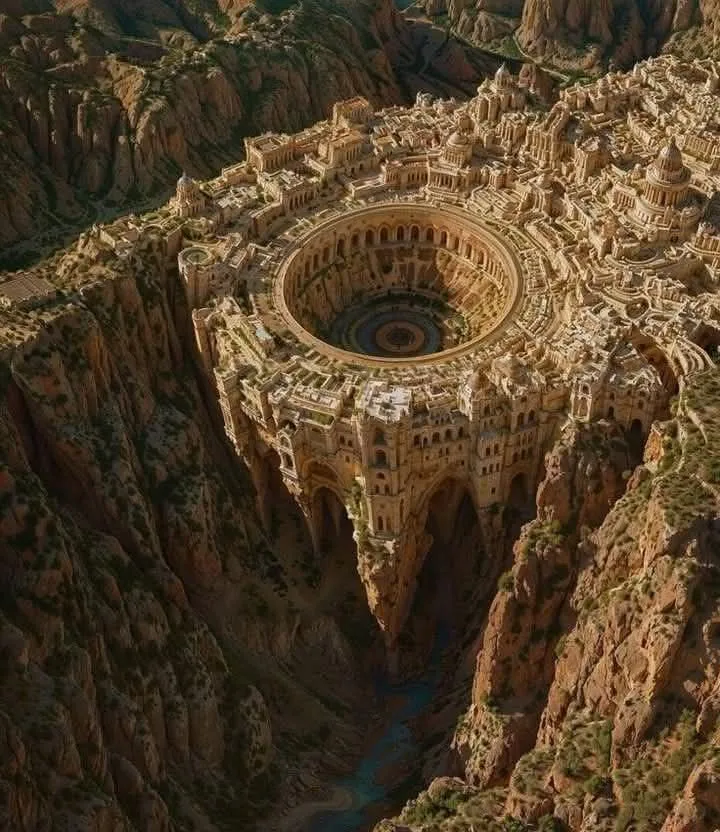
This is the legend of the lost citadel of Virelios, a concept that’s gone massively viral across social media since mid-2025. The evocative text circulates identically on Facebook groups, Pinterest, YouTube shorts, and TikTok, often paired with breathtaking visuals that make it look like a genuine archaeological breakthrough. But as of January 2026, the truth is clear: Virelios is not real. It’s a stunning example of modern AI-generated fantasy—beautiful, inspiring, and entirely fictional.
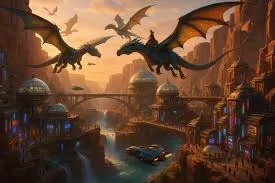
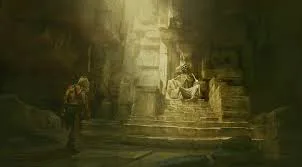
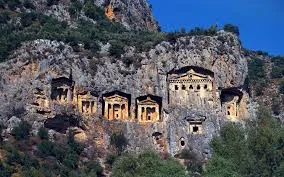
These images capture the typical Virelios aesthetic: dramatic vertical engineering, ethereal stonework blending into impossible cliffs, and cinematic lighting that feels almost too perfect.
The Viral Phenomenon
The description exploded online around June 2025, shared by pages focused on “Archaeology News,” “Ancient Wonders,” and AI art communities. Videos and stills rack up millions of views, with commenters debating its location (hidden in the Himalayas? Remote Andes? Unknown canyon in the Middle East?) and speculating on its purpose. The wording is crafted for maximum emotional impact—phrases like “defy nature” and “etched its soul into stone” trigger that sense of wonder we crave in lost-civilization tales.
Experts and online fact-checkers quickly identified it as AI-created. Sites analyzing the trend note no matches in academic records, satellite data, or excavation reports. No reputable source—from universities to journals like Antiquity—mentions “Virelios.” Real Bronze Age (circa 2000–1500 BCE) sites leave traces: artifacts, inscriptions, trade networks. A city this scale would show up in surveys or even casual drone footage today.
AI’s Role in the Illusion
The visuals scream generative AI: flawless symmetry, blended architectural styles (Greek theater vibes meet Mesopotamian ziggurats and medieval spires), and impossible construction without visible support or tool marks. Tools like Midjourney or similar models excel at this—training on real ancient sites to produce photorealistic “what if” scenes.
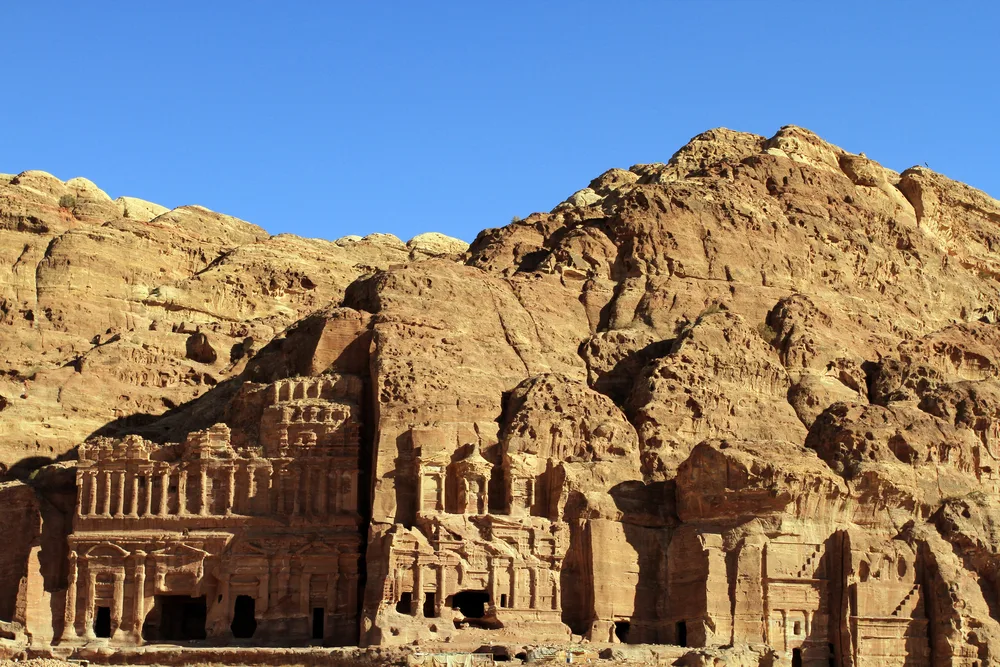
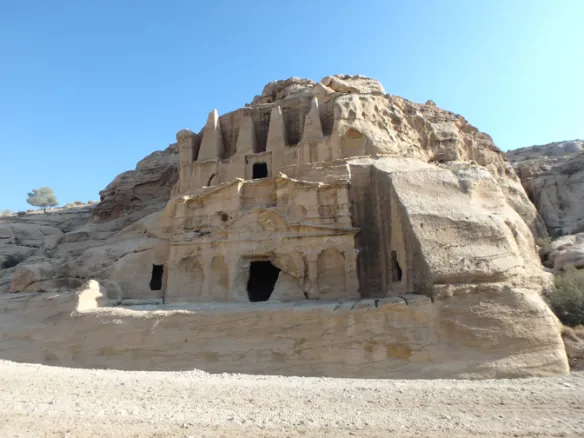
For comparison, here’s the real Petra in Jordan—carved Nabatean facades into rose-red cliffs, a genuine wonder from roughly the same era that inspired parts of the Virelios fantasy.
And Machu Picchu in Peru—an Inca mountaintop citadel that feels gravity-defying yet was built with documented techniques and left clear evidence.
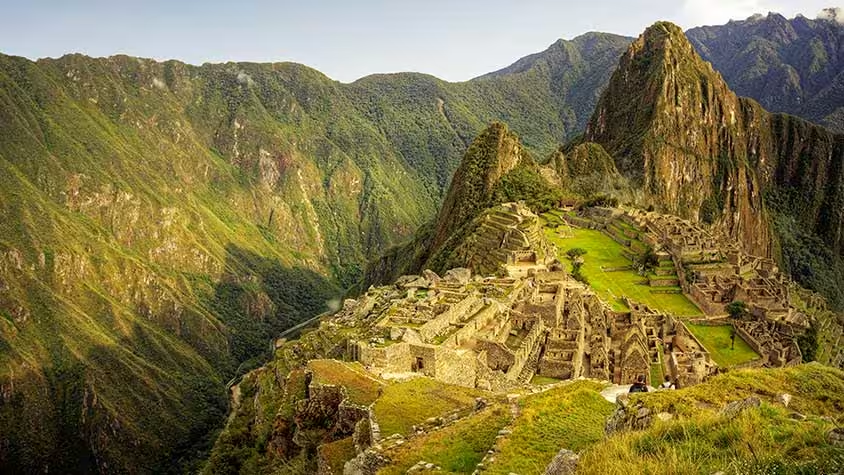
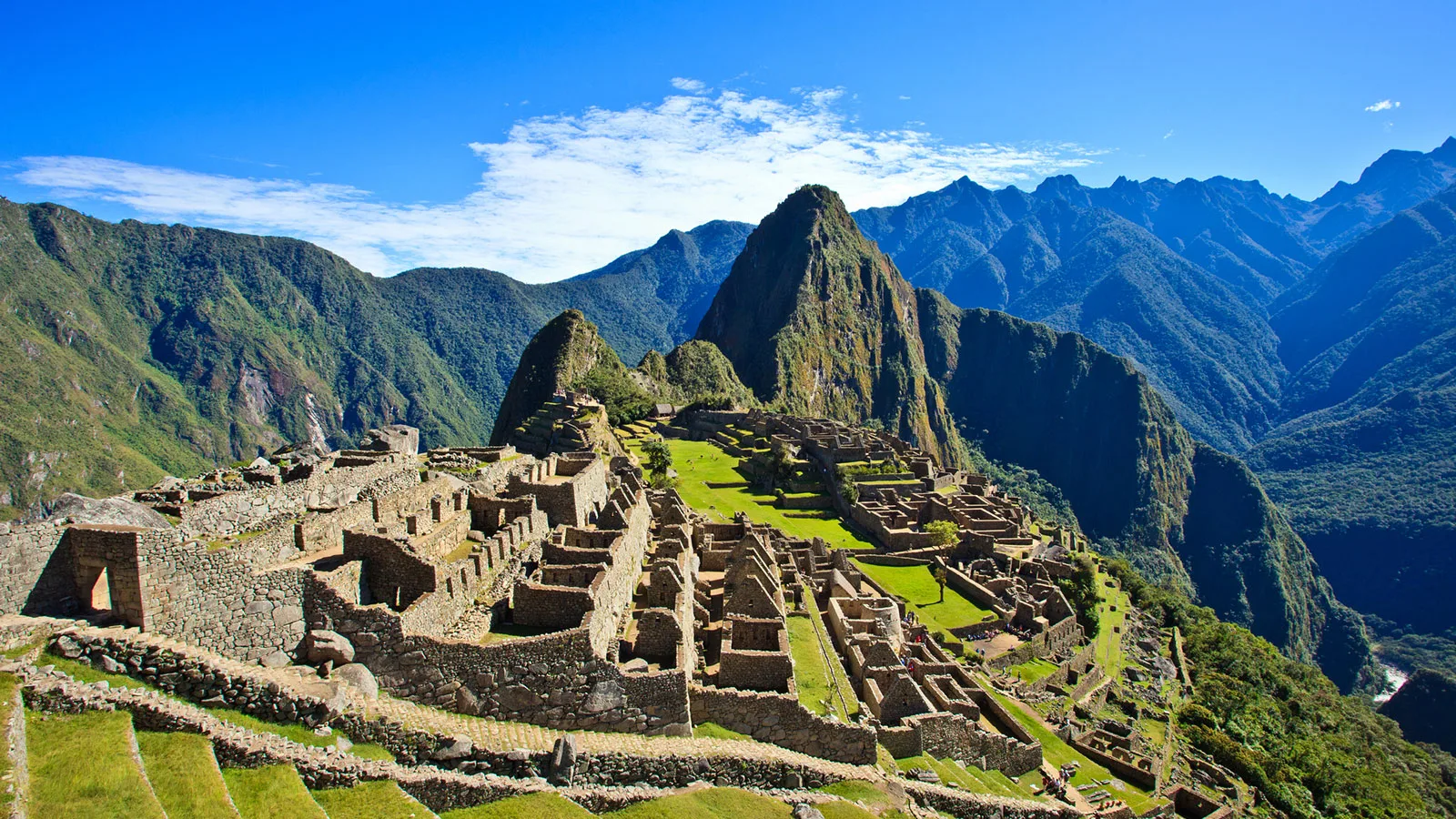
These authentic sites prove ancient peoples achieved incredible feats, but they come with dirt under the nails—pottery shards, carbon-dated remains, and painstaking documentation—not viral polish.
Why Fake Archaeology Spreads
In our era of generative tools, AI can conjure hyper-realistic “history” instantly. It entertains, inspires art, games, and stories, but it also risks misinformation. As one analysis notes, such content taps into our love for hidden marvels while blurring lines between fact and fiction. True discoveries—like a 3,500-year-old city in Peru or LiDAR-revealed Maya networks—make headlines through evidence, not just vibes.
Virelios highlights the power (and peril) of imagination amplified by tech. It reminds us that genuine ancient engineering—like Petra’s water systems or Machu Picchu’s earthquake-resistant masonry—is often more astonishing than fiction because it’s real.
So enjoy the mirage. Let it spark creativity and curiosity about humanity’s past. But when the next “lost citadel” video pops up, check the sources. The real wonders are out there—waiting for shovels, science, and careful study, not just prompts.
What viral “discovery” has caught your eye lately? Real site or clever creation? Share in the comments—Atlanta folks, any local hidden gems that feel like this?