The sensational claim making rounds online — that former President Barack Obama exploded in anger, declaring “This is a complete lie” after Senator John Kennedy allegedly exposed shocking fraud at the Obama Foundation, with the reaction supposedly captured on camera — has fueled intense online chatter. But what really happened, and why did it spark such widespread debate?
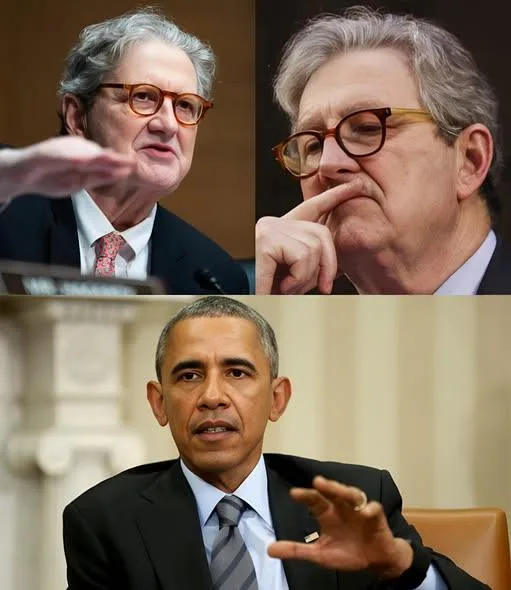
A Senator’s Pointed Remarks Ignite Controversy
In late 2025, during a public Senate discussion (likely tied to appropriations or oversight hearings), Senator John N. Kennedy (R-LA) — known for his colorful, direct style — referenced ongoing questions about transparency and financial accountability in large nonprofit organizations. He highlighted concerns that have periodically surfaced in political discourse about how major charitable entities, especially those connected to prominent former leaders, handle donor funds and report their activities.
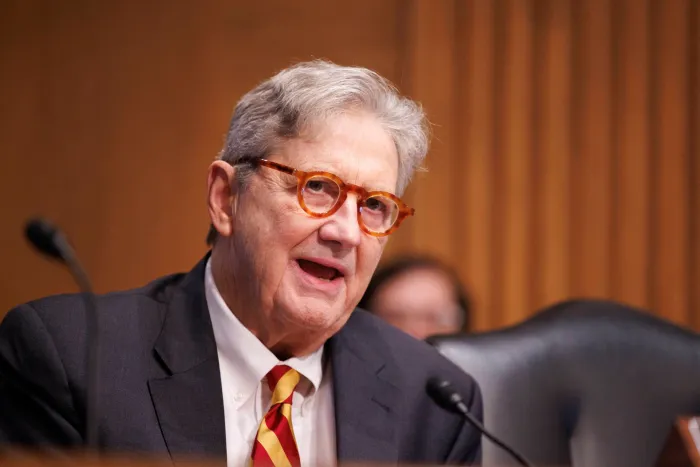
These comments quickly went viral on social media and conservative-leaning platforms. Some posts and videos exaggerated the exchange, framing it as Kennedy “exposing” a major scandal involving hundreds of millions in allegedly misused funds (sometimes described as a “slush fund”). Headlines and shares amplified the drama, suggesting Obama reacted furiously in real time.
However, no credible mainstream reporting or official records confirm a direct, heated on-camera confrontation between Obama and Kennedy over the foundation. Obama has not been documented attending such a Senate session in person to respond live, and the foundation has consistently maintained that it operates under standard nonprofit regulations, including IRS filings, independent audits, and public financial disclosures.
The Obama Foundation: Mission and Operations
Founded after Barack Obama’s presidency ended, the Obama Foundation focuses on global leadership development, civic engagement, youth empowerment, and community initiatives. Key efforts include:
- International leadership fellowships and mentorship programs
- Youth training and education projects
- Support for the Obama Presidential Center under construction in Chicago
- Global forums encouraging innovation, collaboration, and democratic participation among emerging leaders from diverse backgrounds
The organization regularly publishes annual reports, financial statements, and program summaries detailing how donations support these activities. Like other large nonprofits, it complies with federal oversight requirements, including IRS Form 990 filings and external audits designed to prevent mismanagement.
Supporters emphasize Obama’s decades-long record of public service and argue that the foundation extends his commitment to empowering communities and fostering cross-cultural cooperation. Critics of politically linked nonprofits more generally raise valid questions about governance, donor influence, and transparency when high-profile figures are involved — even without evidence of wrongdoing.
Why the Story Spread So Quickly
The episode highlights classic dynamics of today’s media landscape:
- Rapid amplification — A provocative remark from a senator can explode online within hours, fueled by algorithms that prioritize engagement.
- Partisan framing — Posts often cast the exchange in dramatic terms (bombshells, meltdowns, exposures), blending fact with speculation to drive shares and views.
- Broader context — Debates about nonprofit accountability frequently reflect deeper ideological divides over how organizations tied to former presidents (from either party) should be scrutinized.
Journalists and observers have stressed the importance of distinguishing between legitimate oversight questions, political rhetoric, and verified allegations backed by audits or regulators. To date, public records show the Obama Foundation continuing to function within established guidelines, with no formal findings of fraud from oversight bodies.
What It Reveals About Political Discourse
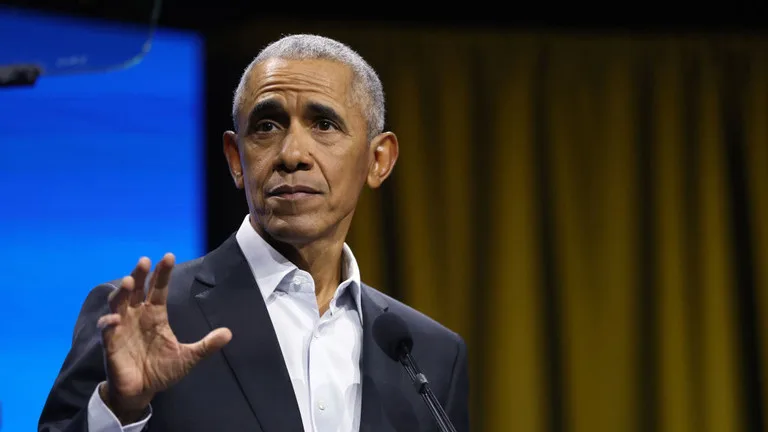
This moment — whether rooted in a real Senate exchange or exaggerated in retellings — underscores how quickly narratives form in our digital age. A single comment can ignite nationwide conversation about trust in institutions, the intersection of philanthropy and politics, and the standards applied to high-visibility nonprofits.
For Obama supporters, the foundation represents continued civic impact: building leaders, strengthening communities, and addressing global challenges like education and climate resilience.
For skeptics, the visibility invites ongoing questions about oversight — a reminder that former presidents’ post-office work remains intertwined with their political legacies.
In Washington, where perception and narrative often compete fiercely, such episodes show that public remarks now travel through powerful digital ecosystems, transforming brief interactions into extended national debates. As conversations about accountability and governance persist, they remind us that maintaining confidence in charitable organizations — especially those with global reach — remains essential for education, leadership, and civic programs worldwide.
The viral nature of this story may fade, but it serves as a snapshot of how polarized rhetoric and rapid information flows continue to shape public views of institutions tied to influential figures.