Hybrid of humans and Neanderthals – Boy from Lapedo reveals new secrets
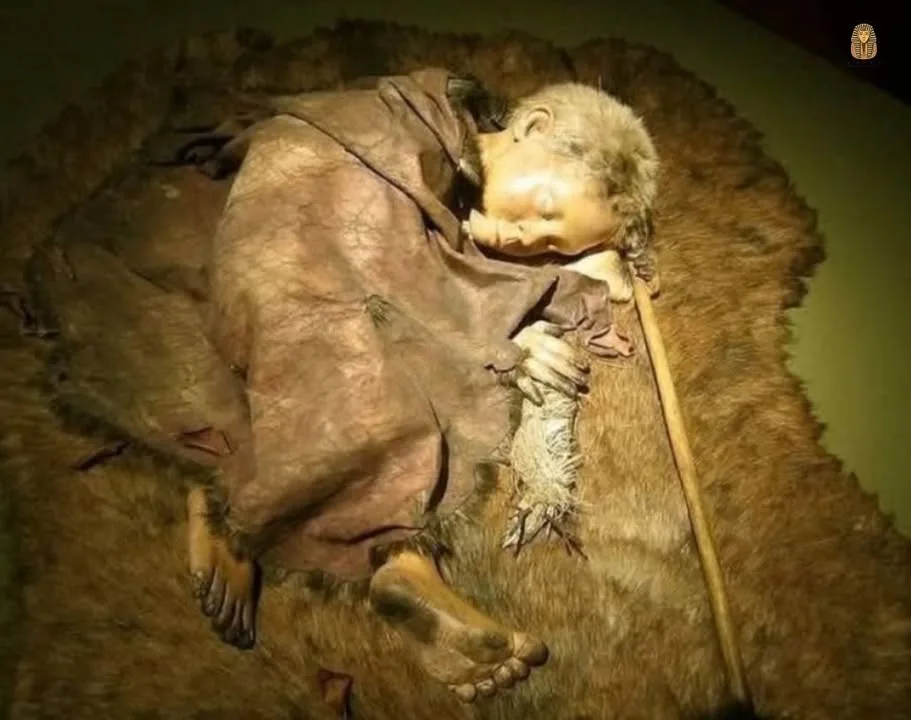
In 1998, archaeologists at the Lagar Velho shelter in the Lapedo Valley in central Portugal made a discovery that changed our understanding of our own prehistory. They found the unique fossil remains of a hybrid boy. Almost the entire skeleton was painted red , and it is believed that he was wrapped in dyed animal skin before burial.
Evidence of interbreeding between humans and Neanderthals
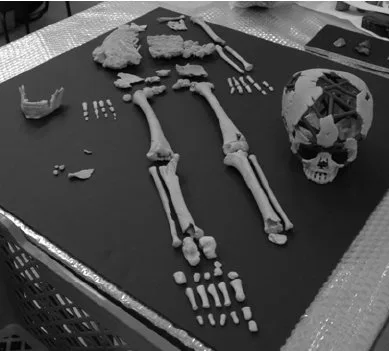
During the excavation, it was noted that the child’s fossil remains had a mixture of Neanderthal and human physical characteristics. The child had a prominent chin, like a human, but short, stubby legs, like a Neanderthal. It is believed that he was 4-5 years old at the time of death.
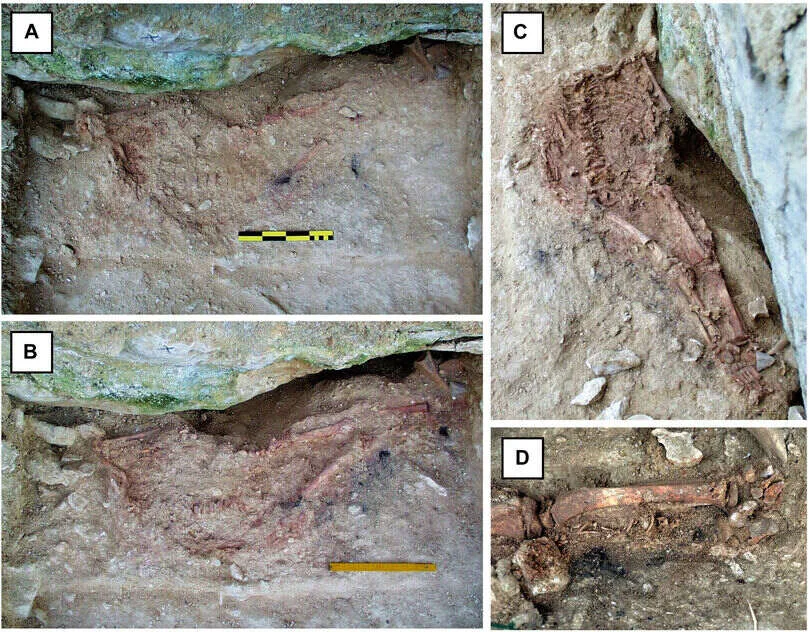
This fossil, called the Lapeda Boy, is actually a hybrid, or evidence that our ancient ancestors interbred with other human species.
However, the discovery of the hybrid child and the connection to the burial ritual was not immediately accepted, as the Lapeda Boy was found a decade before the first Neanderthal genome was sequenced. Thanks to this feat, the way was opened to a better understanding of the interbreeding between humans and our extinct relatives.
New dating of the fossil remains of the Lapeda Boy
Trying to figure out exactly when the child lived has been difficult. Small plant roots have grown through the bones, contaminating the fossil and making it impossible to date using the C14 method. Previous estimates have suggested that the Lapeda boy lived and died just under 30,000 years ago, but the results of the new study confirm that death occurred between 27,800 and 28,500 years ago, more than 10 millennia after the Neanderthals became extinct.
They dated the charcoal and animal bones around the child’s skeleton, and used a special method of measuring the amount of protein found in human bones for the boy’s fossil. The rabbit bones were contemporaneous with the boy , while the charcoal and deer bones are much older. This suggests they were in the same place when the child was buried. In this way, they narrowed down the time of death of the Lapeda Boy.
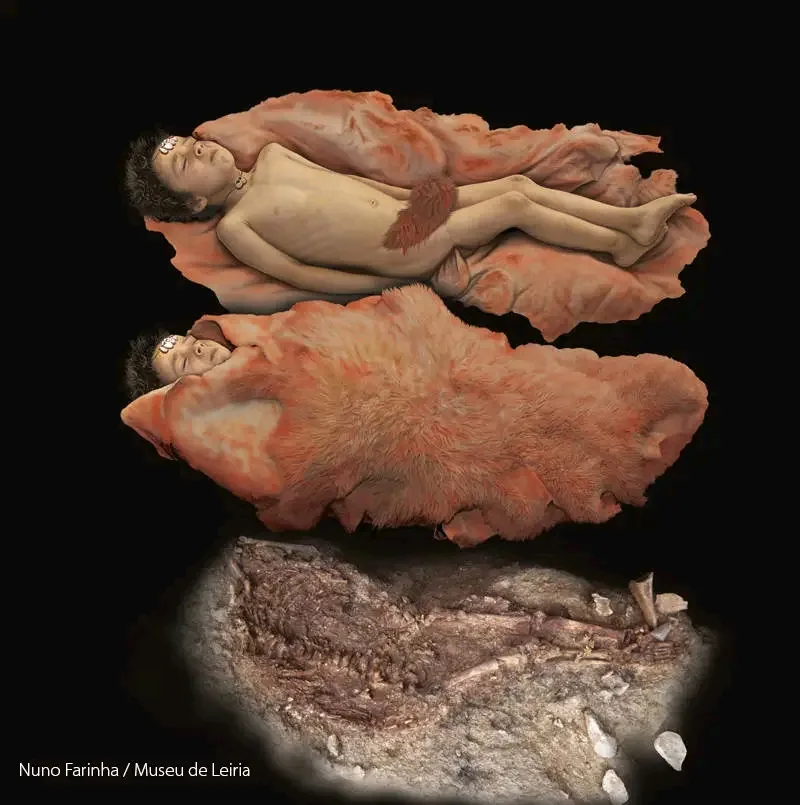
The rabbit was probably placed on the boy’s shrouded body before burial. The site had been abandoned for at least two millennia.
The research results were published in the journal Science Advances .