Humans Glow in the Dark: The Science of Our Invisible Bioluminescence
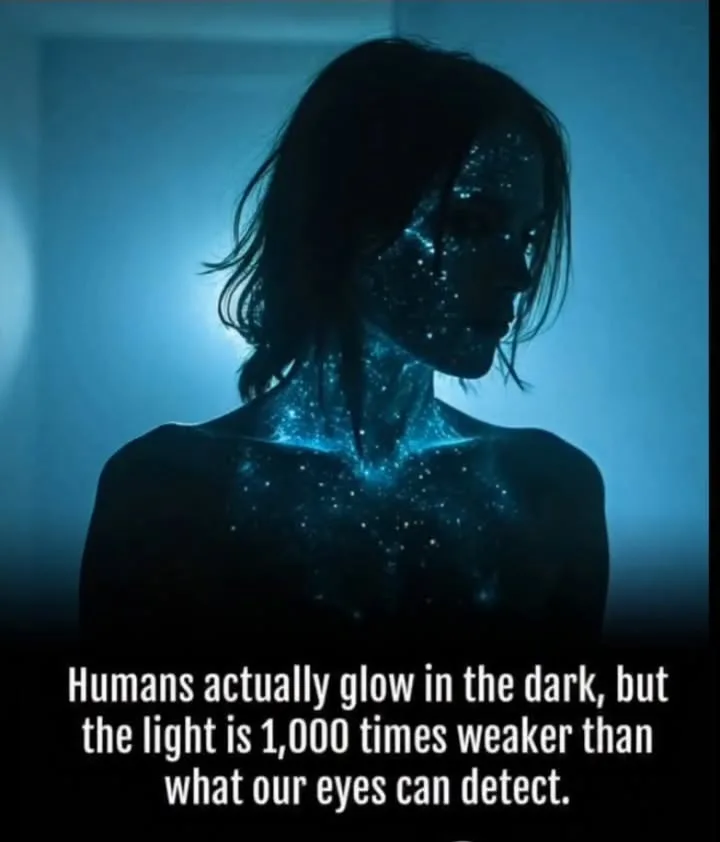
You are glowing—right now. Every cell in your body emits a faint, continuous light, a phenomenon known as ultra-weak bioluminescence or human photon emission. First measured in 2009 by a Japanese research team using ultra-sensitive photomultiplier tubes, this glow is 1,000 times too faint for the human eye to detect—roughly 1,000 photons per second per square centimeter of skin. Yet it’s real, measurable, and tied to the very chemistry that keeps you alive. As of November 16, 2025, this invisible radiance continues to fascinate scientists, offering a poetic reminder: we are, quite literally, made of light.
The Discovery: Seeing the Unseeable
In 2009, researchers at Tohoku Institute of Technology in Sendai, Japan, led by Hitoshi Okamura, placed five healthy volunteers in a completely dark chamber for 20-minute cycles over three days. Using cryogenic detectors capable of counting single photons, they recorded light emission peaking between 3–5 p.m. and dipping at night. The glow was strongest from the face, hands, and upper body—areas with higher metabolic activity—and followed a circadian rhythm, synchronized with body temperature and cortisol levels.
The source? Free radical reactions in your cells. When oxygen reacts with lipids during metabolism, it creates excited molecules that release energy as photons—mostly in the visible (400–700 nm) and near-infrared range. This is the same process behind firefly light, but in humans it’s ultra-weak—equivalent to the brightness of a candle viewed from 20 kilometers away.
The Science: Why We Shine
| Source of Light | Mechanism | Intensity |
| Lipid peroxidation | Oxygen + fats → excited molecules → photons | ~1,000 photons/cm²/s |
| Melatonin & mitochondria | Antioxidant activity reduces glow at night | Circadian modulation |
| Facial emission | Higher facial metabolism (brain proximity) | 3× brighter than torso |
A 2016 study in Scientific Reports confirmed the light is not heat radiation (blackbody radiation is infrared) but true biophotons from biochemical reactions. The glow increases after exercise, sun exposure, or stress—anytime metabolism ramps up.
What It Means (And Doesn’t Mean)
- No, you won’t light up a room. Even in total darkness, your glow is invisible without million-dollar equipment.
- Yes, it’s universal. Every mammal tested—from mice to humans—emits this light.
- Potential applications: Researchers are exploring it as a non-invasive biomarker for oxidative stress, cancer detection, or circadian rhythm disorders.
The Poetry of Being Human
We share this glow with jellyfish, fireflies, and deep-sea creatures—proof that life itself is luminous. The same reactions that power your heartbeat quietly paint you in light too faint for eyes, yet bright enough to remind us:
We are walking constellations.
Next time you’re in complete darkness, remember—you’re shining.
Just not quite bright enough to read by.