A Father and Child Lost to the 1918 Influenza Pandemic
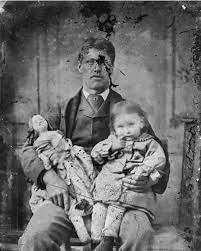
This quiet, heartbreaking photograph (one version carefully colorized) shows a deceased man lying in repose with a small child resting peacefully on his chest. No names. No date. No cause of death recorded. Yet everything about their appearance—their healthy weight, calm expressions, and the tender way they’re arranged—points to a tragedy that struck suddenly and without warning.
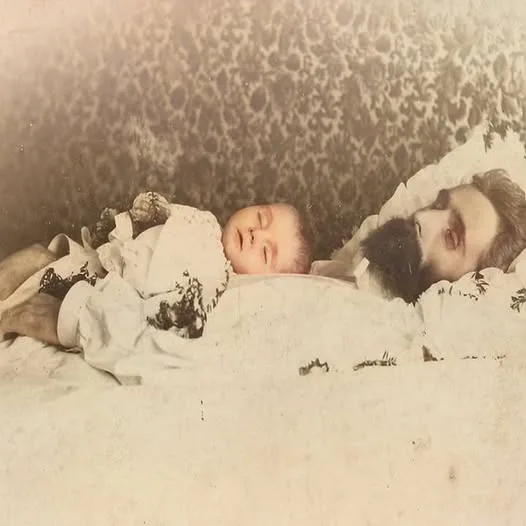
They were almost certainly victims of the 1918–1919 influenza pandemic, the deadliest plague in modern history.
Between early 1918 and mid-1920, the H1N1 “Spanish flu” virus swept the globe, infecting roughly one-third of humanity and killing an estimated 50 million people—more than the Black Death and World War I combined. In the United States alone, it struck 28 % of the population and, in a single year, slashed average life expectancy by 12 years.
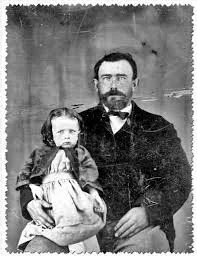
What made this flu uniquely terrifying was its preference for the young and strong. Unlike typical influenza, which mostly claims the elderly and infirm, the 1918 strain was deadliest to healthy adults aged 20–40—the exact demographic of this young father. Many victims woke up feeling fine and were dead by nightfall, their lungs drowned in blood and fluid from an overwhelming immune reaction known as a cytokine storm.
Entire families were wiped out in days. Undertakers ran out of coffins. In cities across America, Europe, and beyond, homes became silent tombs. This image—father and child laid out together, neither wasted by long illness—perfectly matches countless accounts from the autumn of 1918, when the second and deadliest wave tore through communities.
We may never know their names, but their story is unmistakable: one more family stolen in an instant by a killer that spared neither parent nor child.
A century later, this photograph remains a quiet, devastating memorial to the millions lost—and a reminder of how fragile life can be, even when it looks strong and whole.