I’ve always been fascinated by stories that feel pulled straight from ancient legends—and this one genuinely does.
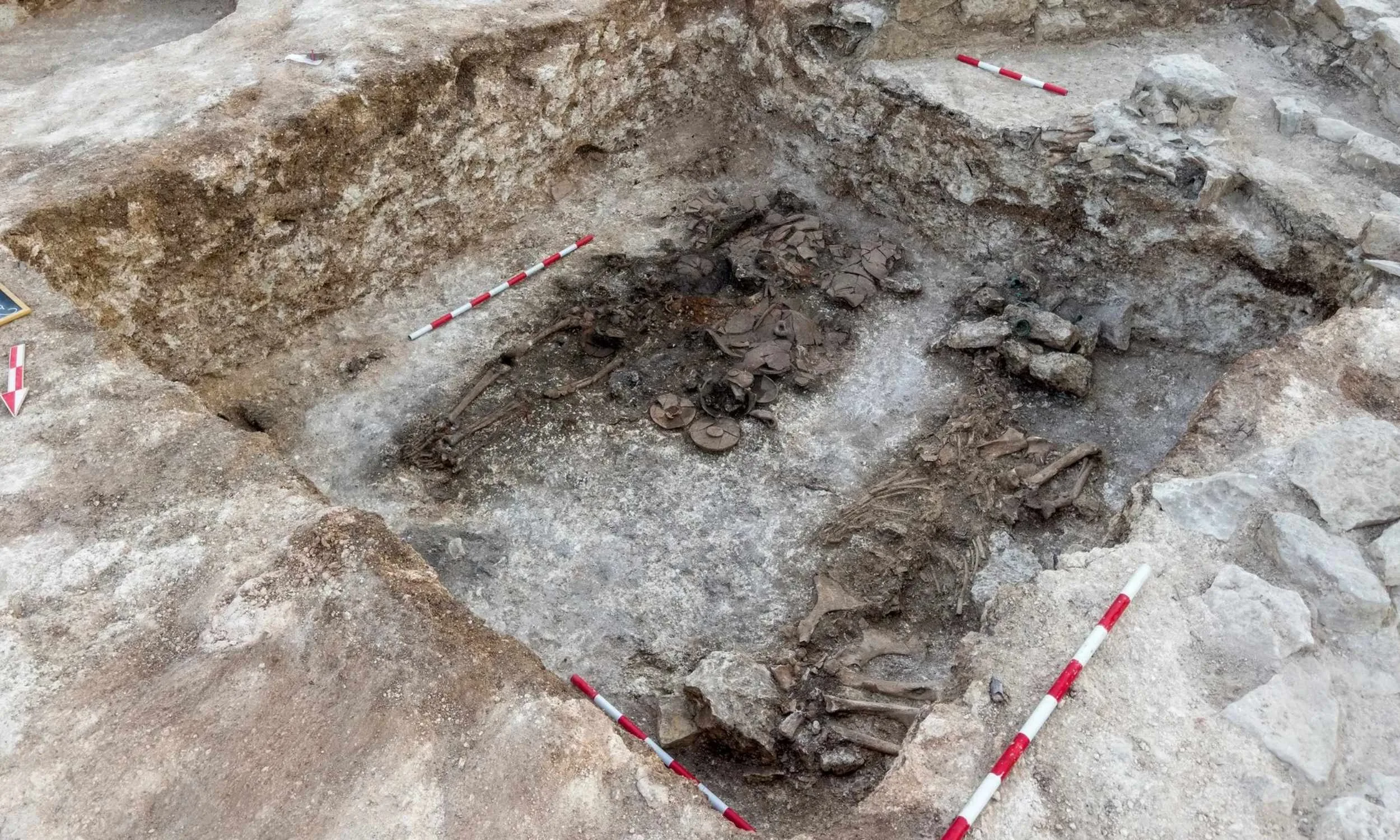
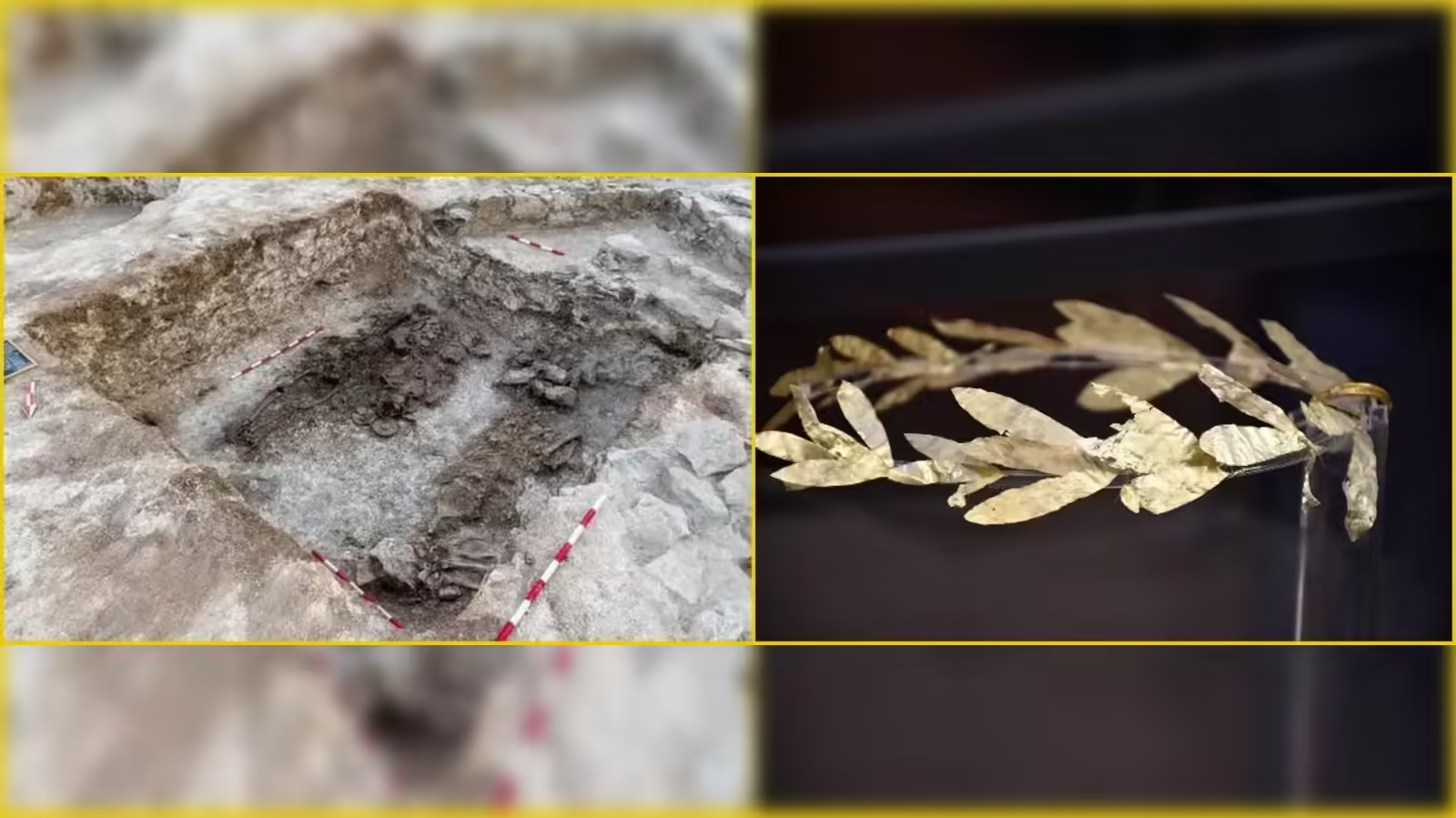
In southern Bulgaria, near the village of Kapitan Petko Voyvoda (close to Topolovgrad in the Sakar Mountains), archaeologists made an extraordinary discovery during routine rescue excavations for a new power cable. They uncovered an untouched burial pit dating back to the second half of the 2nd century BCE—roughly 2,200 years ago—containing the remains of a high-status Thracian warrior, buried alongside his war horse and an impressive array of treasures.
What makes this find so special is that the tomb remained completely sealed for over two millennia. No ancient looters had touched it. That level of preservation is incredibly rare and gives us a pristine window into the world of Thracian elites during the late Hellenistic period.
The Warrior and His Final Journey
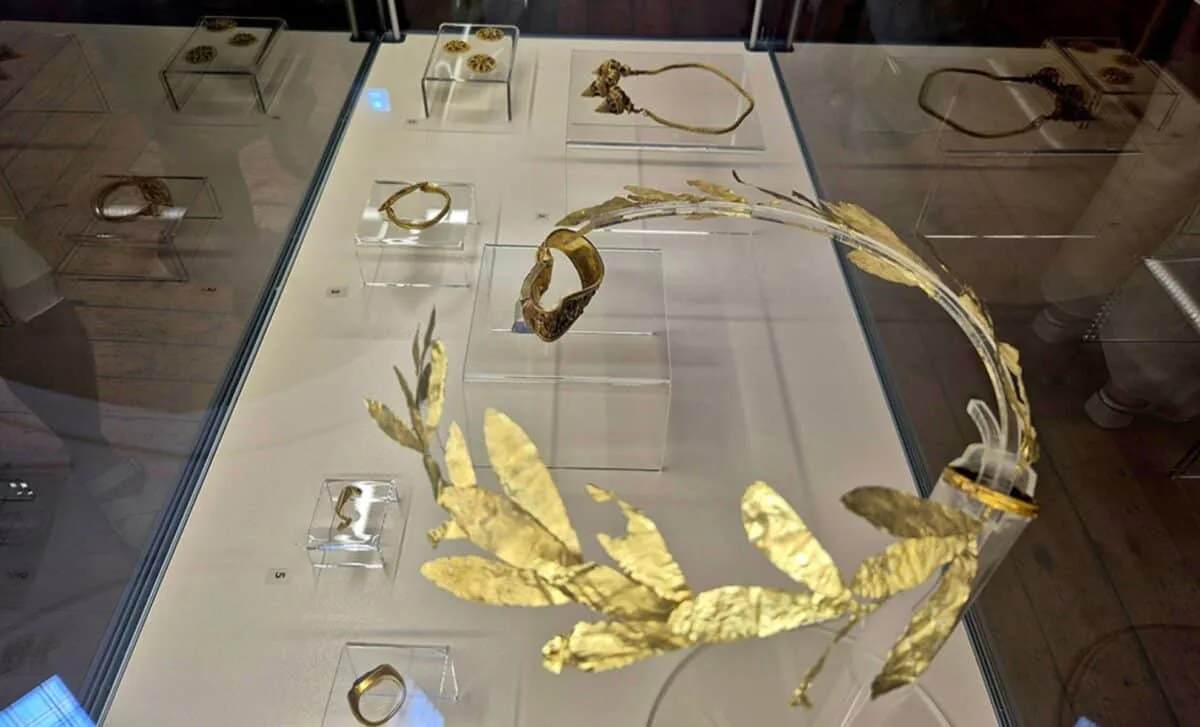
The man was between 35 and 40 years old at the time of his death. He was laid to rest with clear symbols of power and leadership: a stunning gilded silver wreath placed around his head. In Thracian culture, such wreaths were reserved for nobles, rulers, or celebrated warriors.
Beside him lay the skeleton of his horse—carefully positioned as part of the burial ritual. Thracians were renowned as skilled horsemen, and burying a warrior with his mount was a powerful statement about status, companionship, and beliefs in the afterlife.
Riches Fit for a King
The grave goods are nothing short of spectacular and have been described as the richest Hellenistic-era Thracian burial ever found in Bulgaria:
- Weapons including an iron shield boss, spears, and a beautifully crafted Greek-style makhaira (curved sword) with a gold-inlaid handle set with gemstones.
- Jewelry such as a silver bracelet, ring, and fibula (cloak pin).
- And most breathtakingly, the horse’s harness and ornaments—made of gold, silver, and gilded bronze—featuring intricate mythological scenes.
One standout piece is a bridle browband depicting the legendary hero Hercules wrestling the giant Antaeus. The level of detail is astonishing: tense muscles, expressions of struggle, and masterful craftsmanship that experts believe came from top Hellenistic workshops, possibly in Pergamon or Alexandria.
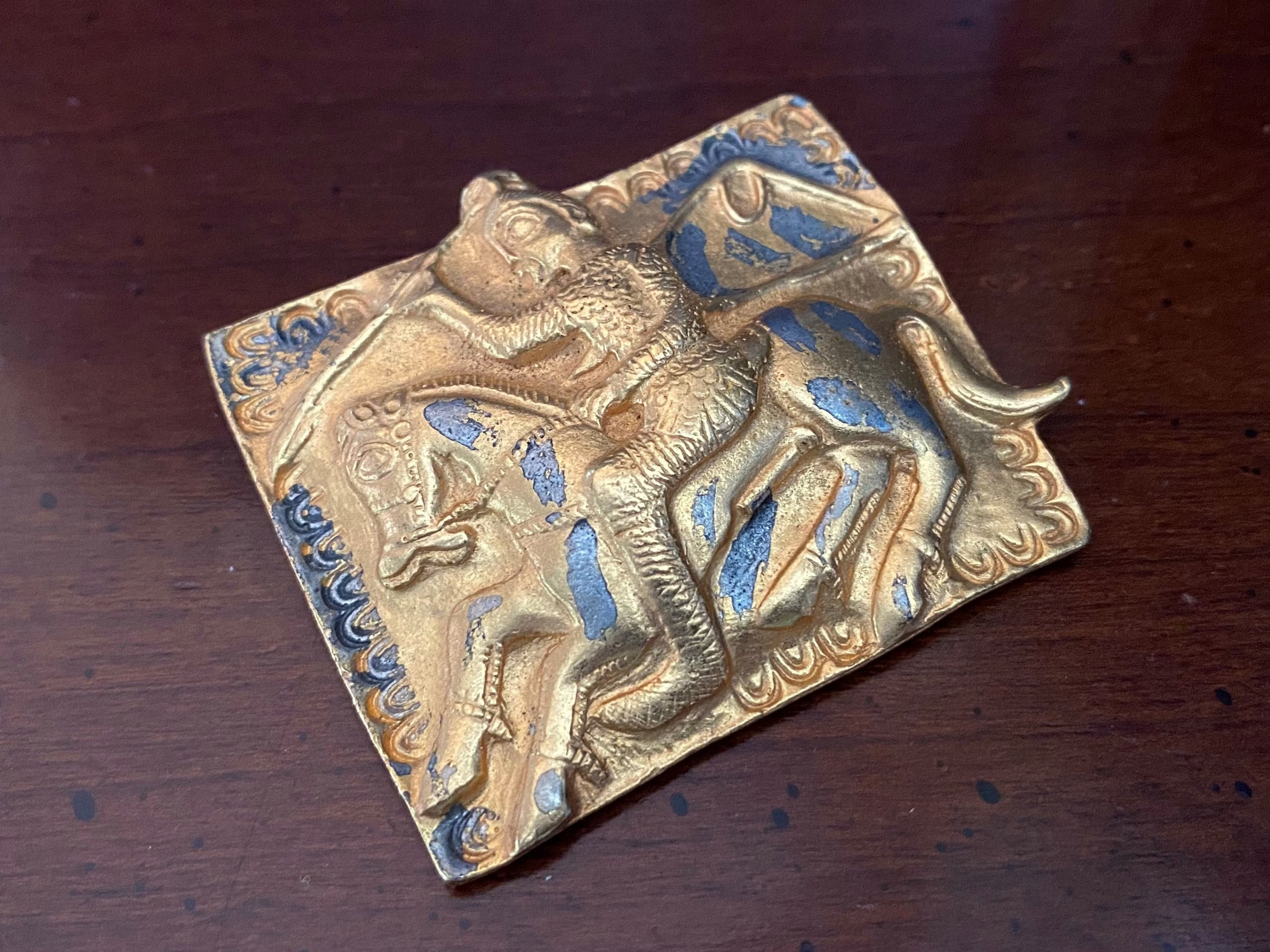
These decorations show how deeply Thracian elites were influenced by Greek culture while maintaining their own warrior traditions.
A Glimpse into Thracian Elite Life
The Thracians were a powerful ancient people who inhabited parts of the Balkans (modern Bulgaria, Romania, Greece, and Turkey). They were famous for their fierce warriors, love of horses, and rich material culture. This burial, part of what appears to be a larger elite cemetery or necropolis, reveals a lot about their customs:
- How they signaled status through lavish grave goods and horse sacrifices.
- Their beliefs about the afterlife—taking treasures, weapons, and even a favorite horse into the next world.
- The cultural exchange happening in the region just before full Roman dominance.
Some reports have even nicknamed the deceased the “Lord of Sakar” after the nearby mountain range.
What Happens Next?
The artifacts are currently undergoing careful conservation and preservation. Soon, they will be displayed in a museum, allowing the public to see these incredible pieces up close. It’s a rare chance to connect directly with a moment frozen in time.
After more than two thousand years underground, this Thracian warrior’s story is finally being told again—and it’s every bit as epic as the myths his horse’s ornaments celebrate.
What do you think? Does this kind of discovery make you want to learn more about the Thracians, or does it spark your imagination about what else might still be buried beneath the Bulgarian hills?
Let me know in the comments—I’d love to hear your thoughts!