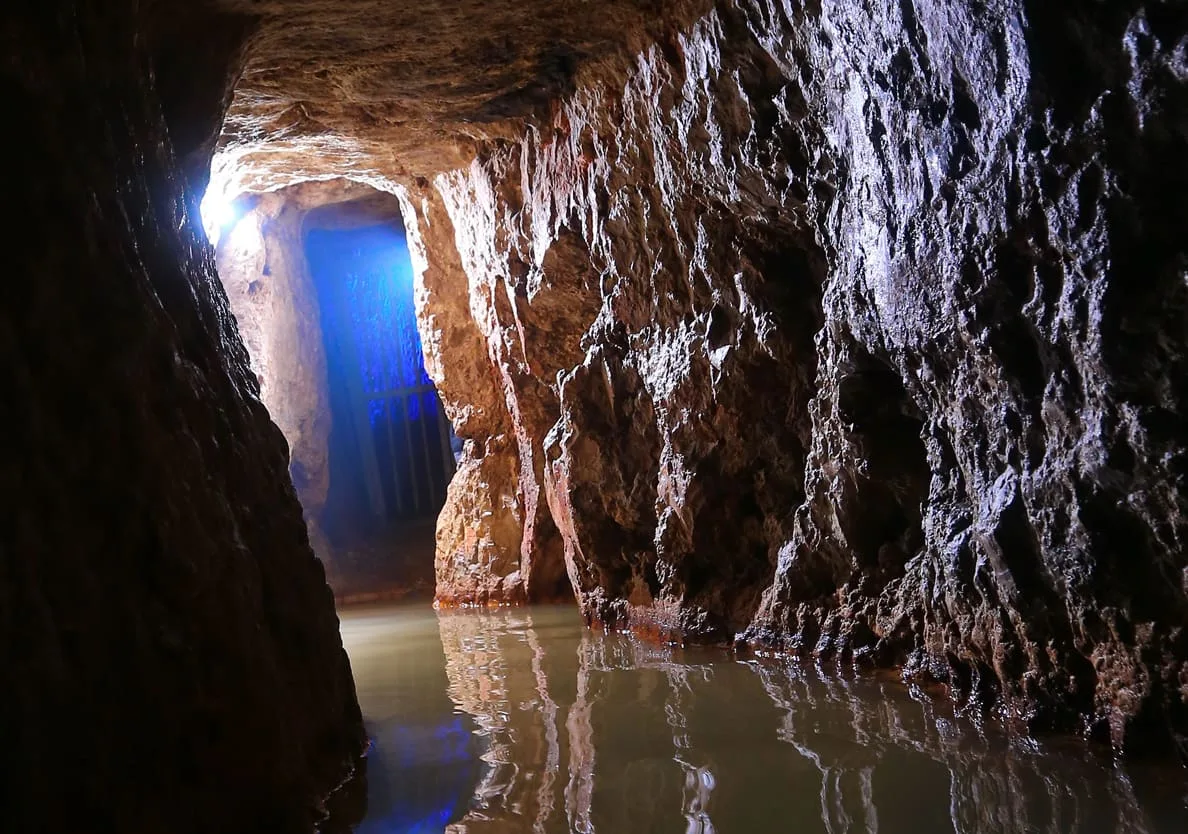
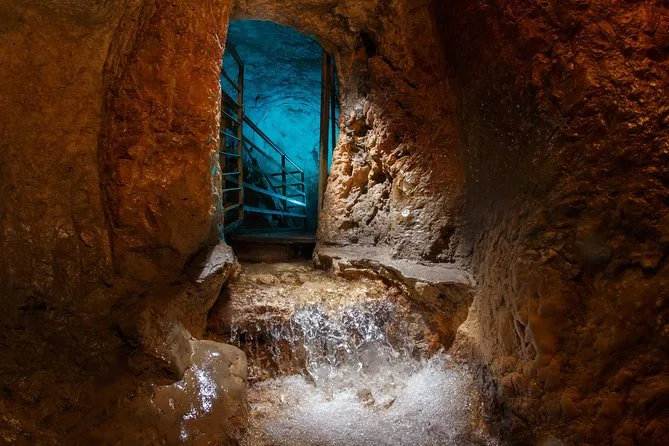
Imagine walking through a narrow, dimly lit tunnel carved straight through solid rock more than 2,700 years ago—cool water rushing around your ankles, the echoes of dripping water and distant voices bouncing off the walls. This isn’t a scene from an adventure movie; it’s the very real experience of exploring Hezekiah’s Tunnel (also known as the Siloam Tunnel) in Jerusalem today.
Built during a time of existential threat, this underground waterway remains one of the most impressive feats of ancient engineering in the Near East—and a tangible link to biblical history.
The Historical Backdrop: A King Prepares for Siege
In the late 8th century BCE, the Assyrian Empire under King Sennacherib was expanding aggressively. By 701 BCE, Assyrian forces had already conquered much of the region and were closing in on Judah’s capital, Jerusalem.
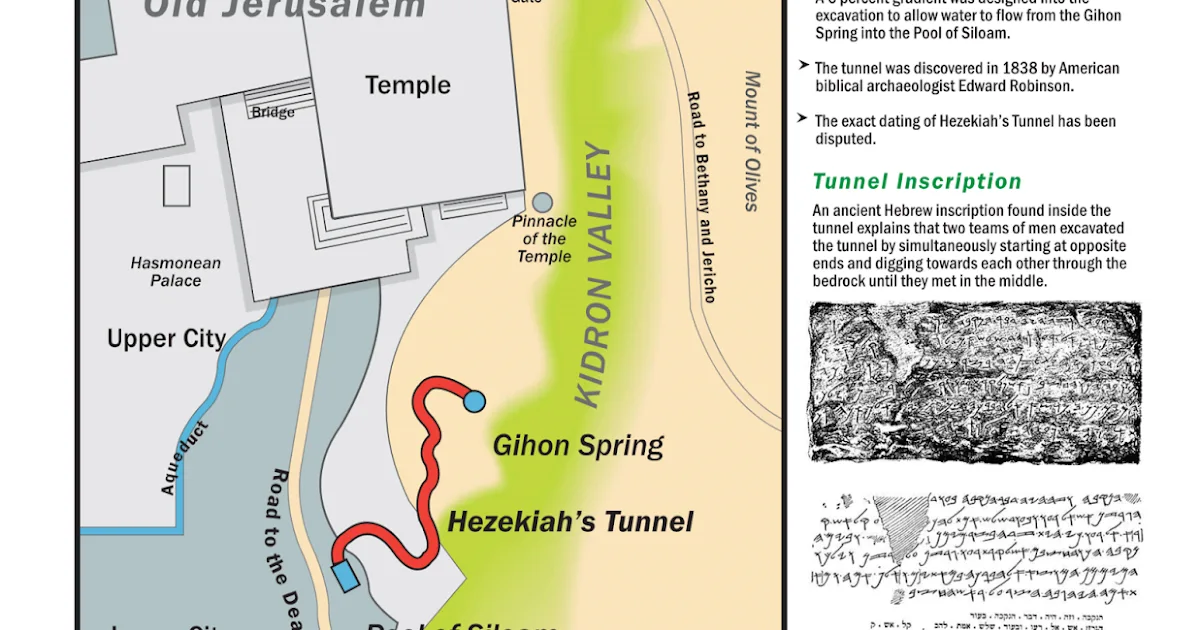
King Hezekiah of Judah (reigned c. 715–686 BCE) knew the city’s survival depended on securing its water supply. Jerusalem’s main source—the Gihon Spring—lay in the Kidron Valley outside the city walls, vulnerable to enemy control. Cutting off access to the spring would force the city to surrender quickly due to thirst.
Hezekiah’s bold solution? Redirect the spring’s water inside the city walls through a secret tunnel, denying the enemy access while ensuring a steady supply for defenders and residents. The Bible records this effort succinctly:
“As for the other events of Hezekiah’s reign and all his achievements—including the pool and the tunnel he built to bring water into the city—are they not written in the book of the annals of the kings of Judah?” (2 Kings 20:20)
“It was Hezekiah who blocked the upper outlet of the Gihon spring and channeled the water down to the west side of the City of David.” (2 Chronicles 32:30)
Engineering Feat Without Modern Tools
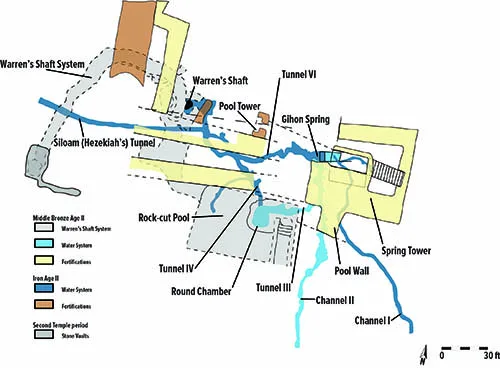
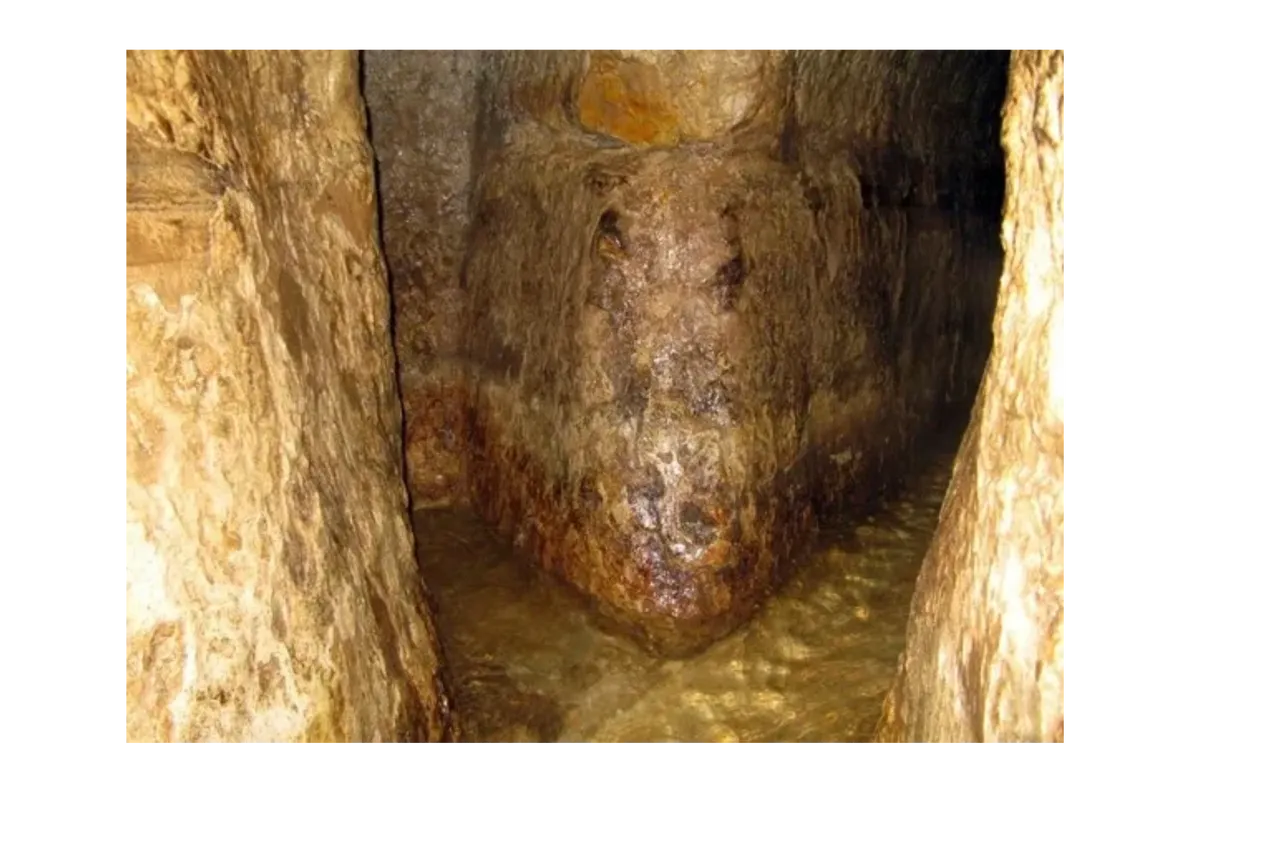
The tunnel stretches approximately 533 meters (about 1,750 feet) through limestone bedrock. Workers started from both ends—one team from near the Gihon Spring, the other from the area of the Pool of Siloam—and met almost perfectly in the middle. The total drop is only about 30 cm over the entire length, giving a gentle slope of roughly 0.06%—precise enough for water to flow naturally without pooling.
All of this was accomplished using hand tools: iron chisels, picks, and hammers. No explosives, no lasers, no GPS—just skill, planning, and perhaps following natural rock fissures to guide the path.
The tunnel winds in an S-shape (rather than a straight line), likely to exploit softer rock layers and avoid structural weaknesses. In places it’s narrow—sometimes just shoulder-width—with ceilings varying from low overhangs to taller sections.
The Dramatic Moment Captured in Stone: The Siloam Inscription
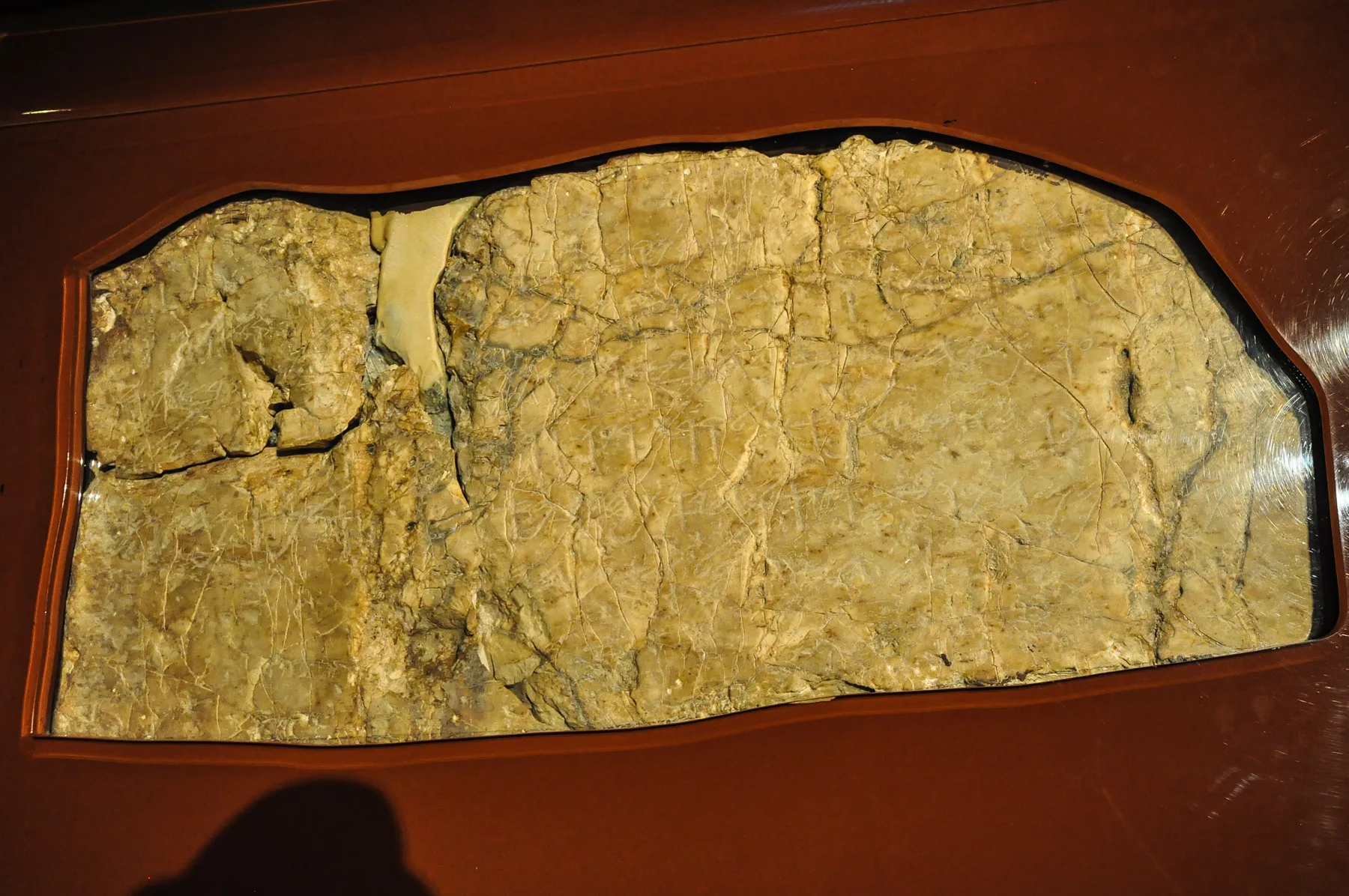
About 6 meters from the southern (Pool of Siloam) end, workers left behind one of the most exciting ancient inscriptions ever found in Israel—the Siloam Inscription.
Discovered in 1880 by a boy exploring the tunnel, this six-line Hebrew text (written in the ancient Paleo-Hebrew script) describes the thrilling final moments:
“…the tunneling was finished. And this was the matter of the tunneling: While the hewers were lifting the axe, each toward his fellow, and while there were still three cubits to be hewn, there was heard a man’s voice calling to his fellow… And on the day of the tunneling the hewers struck, each man toward his fellow… And the water flowed from the source to the pool, twelve hundred cubits.”
The inscription captures the excitement of the breakthrough—the shout across the remaining rock, the final blows, and the rush of water. (The original is now in Istanbul, but excellent replicas are on display at the site.)

Visiting Today: A Unique Adventure
Part of the City of David archaeological park, Hezekiah’s Tunnel is open to the public and has become one of Jerusalem’s most popular attractions. The “wet route” lets you walk the full length in knee-deep (sometimes ankle-deep) water—cool and refreshing in summer, but bring water shoes, quick-dry clothes, and a flashlight or phone light.
It’s narrow, dimly lit in spots, and requires ducking under low sections—not wheelchair accessible, but an unforgettable experience. An alternative “dry” path through older channels is available if needed.
At the southern end, you emerge at the Pool of Siloam—the biblical site where, according to John 9, Jesus healed a man born blind. Recent excavations have revealed impressive stepped pools and structures.
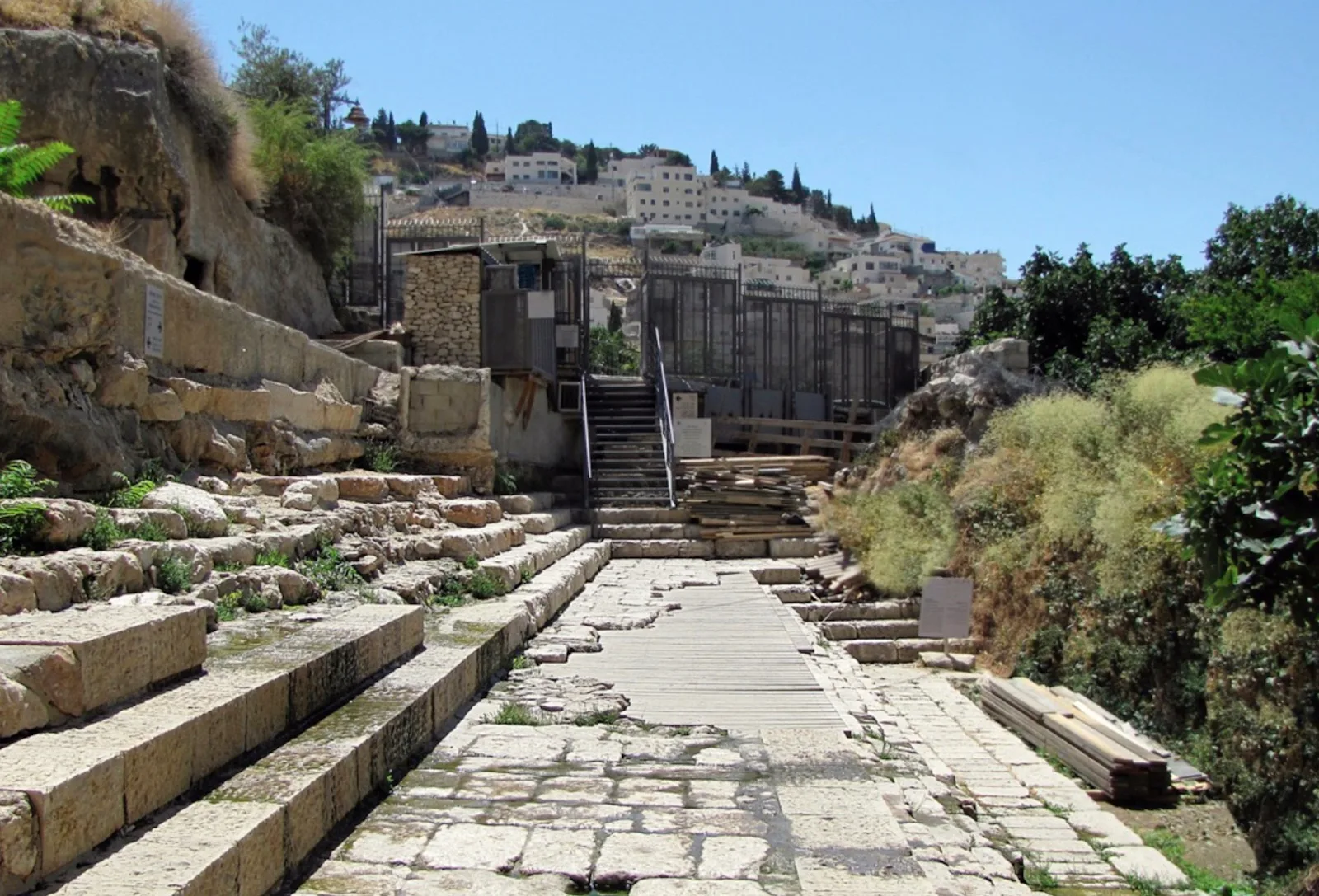
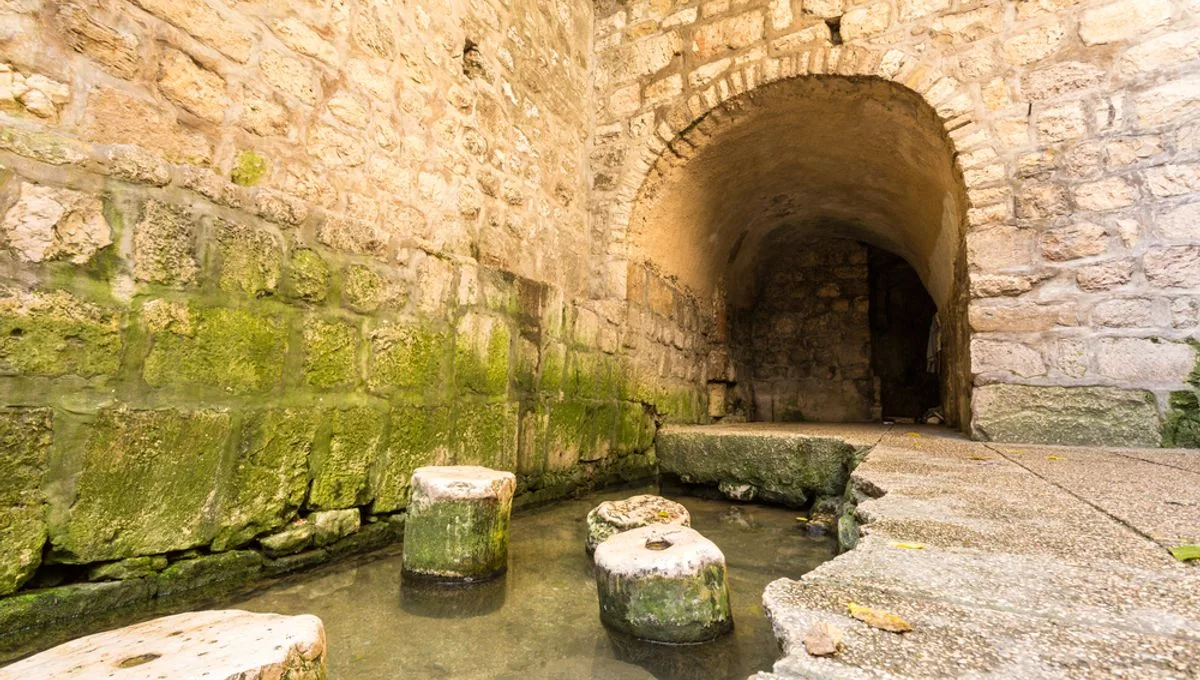
The broader City of David site includes Warren’s Shaft, ancient fortifications, and more—making it a deep dive into Jerusalem’s layered history.
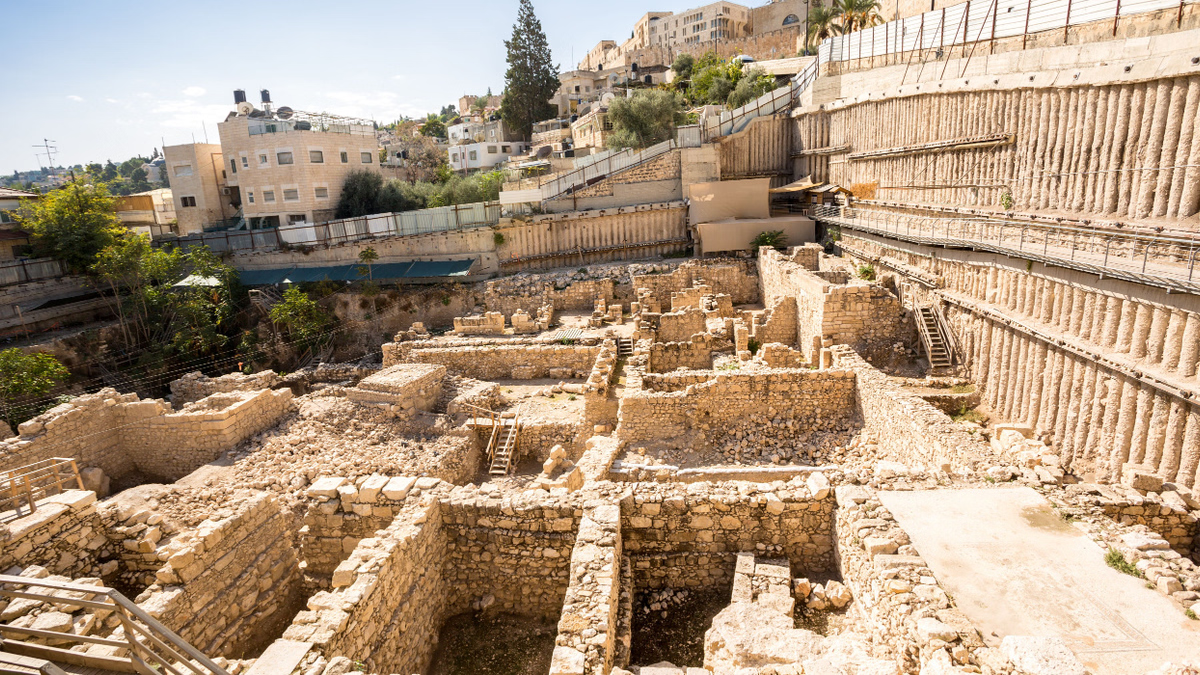
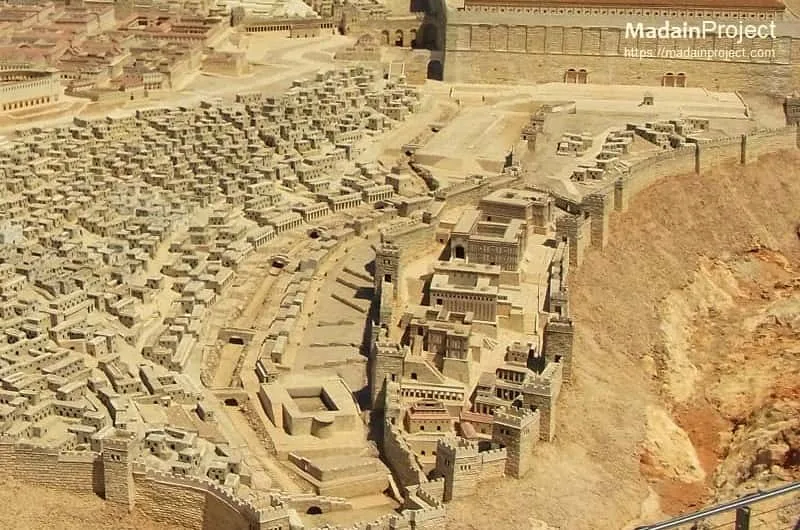
Why It Still Matters
Hezekiah’s Tunnel isn’t just an old water channel—it’s proof of ingenuity under pressure, faith in action, and the enduring human drive to protect what matters most. In an era without modern technology, ancient Judah’s engineers pulled off a project that still functions and amazes visitors today.
Whether you’re drawn by biblical history, archaeology, or simply the thrill of underground exploration, this hidden wonder beneath Jerusalem is well worth the visit.
Have you walked through Hezekiah’s Tunnel? I’d love to hear your experience in the comments!