In one of nature’s most astonishing displays of interconnectedness, a developing fetus can send stem cells to its mother during pregnancy, potentially aiding in the repair of her damaged organs. This process, known as fetal-maternal microchimerism, involves fetal cells crossing the placenta and migrating through the mother’s bloodstream to sites of injury or disease. There, they may differentiate into specialized cells, contributing to tissue regeneration. While not a guaranteed “cure,” research shows these cells can persist in the mother’s body for decades, sometimes playing a protective role in healing. This bidirectional exchange—long known for maternal cells benefiting the fetus—highlights a profound biological symbiosis, where the unborn child acts as a silent healer for the mother carrying it.
The Science of Fetal-Maternal Microchimerism
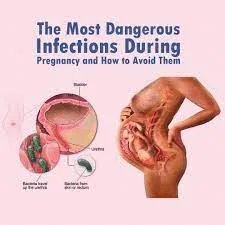
During pregnancy, the placenta acts as a semi-permeable barrier, allowing a small number of fetal stem cells (including hematopoietic and mesenchymal types) to enter the maternal circulation. This exchange begins as early as the first trimester and peaks in the third. These cells, genetically distinct from the mother’s, can:
- Migrate to damaged organs (heart, liver, brain, thyroid).
- Differentiate into tissue-specific cells (e.g., cardiomyocytes in the heart).
- Persist lifelong, detected in maternal tissues up to 40+ years post-pregnancy.
Key studies:
- A 2004 JAMA paper found fetal cells in scarred heart tissue of women with myocardial infarction, suggesting repair contributions.
- Research on liver injury (e.g., hepatitis) showed fetal cells forming hepatocytes.
- In brain tissue from women with neurological conditions, fetal-derived neurons were identified.
The mechanism may involve the fetus responding to maternal distress signals, “donating” multipotent cells to aid survival—ensuring both mother and child thrive.
Dual Nature: Healing and Potential Risks
While often beneficial, fetal microchimerism has a complex side:
- Protective: Reduced risk of breast cancer and rheumatoid arthritis in some studies; aid in wound healing.
- Adverse: Possible links to autoimmune diseases (e.g., scleroderma) where fetal cells trigger immune responses.
The balance depends on genetic compatibility and maternal health.
Evolutionary Perspective
This phenomenon likely evolved to enhance maternal-fetal survival. A healthier mother increases pregnancy success, benefiting the fetus’s genes. It parallels other symbiotic relationships in nature, like the Moors’ cultural exchanges or the resilience of the third state’s cellular persistence.
Implications for Medicine
Researchers explore harnessing fetal cells for regenerative therapies, though ethical challenges abound. Ongoing studies (as of 2025) in journals like Stem Cells Translational Medicine investigate applications for heart repair and autoimmune treatments.
Disclaimer: This information is for educational purposes only and does not constitute medical advice. Consult a healthcare professional for any medical concerns.
A Hidden Bond
The fetus healing its mother reveals pregnancy’s profound mutuality—a child giving back before birth. Like the white auroras’ rarity or the Eltanin Antenna’s mystery, it captivates with nature’s quiet miracles. In the womb’s universe, life nurtures life in ways we’re only beginning to understand.