A Father and Child Lost to the 1918 Influenza Pandemic
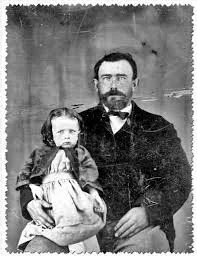
The haunting photograph shows a deceased man lying in peaceful repose, his arms gently cradling a small child on his chest. Both appear well-nourished—neither thin nor emaciated—suggesting death came swiftly rather than from prolonged illness or starvation. No records accompany the image: no names, no date, no cause of death. Yet the historical context points overwhelmingly to one culprit—the 1918–1919 influenza pandemic, the deadliest in modern history.
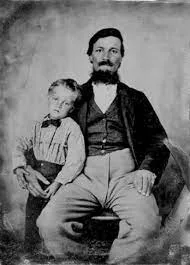
Between 1918 and 1920, the H1N1 “Spanish flu” virus infected roughly 500 million people—one-third of the world’s population—and claimed an estimated 50 million lives, more than the combined toll of World War I. In the United States alone, it struck over 25% of the population and reduced average life expectancy by 12 years in a single year. Unlike typical seasonal flu, which primarily killed the very young and very old, the 1918 strain was uniquely lethal to healthy adults aged 20–40, often through a violent immune overreaction called a cytokine storm. Victims could wake up feeling fine and be dead by nightfall, lungs drowned in their own fluids.
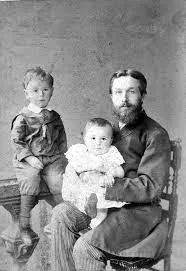
This father and child, laid out together with quiet dignity, fit the pandemic’s tragic pattern. Many families lost multiple members within days; undertakers were overwhelmed, and makeshift morgues filled churches and ice rinks. In some households, entire generations were wiped out, leaving behind only photographs like this one—silent witnesses to a catastrophe that touched nearly every community on Earth.
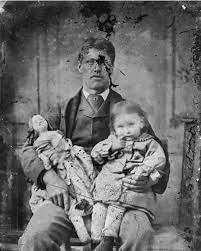
The image, carefully colorized to restore a sense of life to their faces, serves as both memorial and reminder. It captures not just personal loss, but a global moment when humanity stood powerless before an invisible enemy. More than a century later, as we reflect on our own pandemics, this father holding his child in death speaks across time: a universal emblem of love that endures even when breath does not.